Instructions for Finding the Appropriate General Contractor for Your Next Home Project
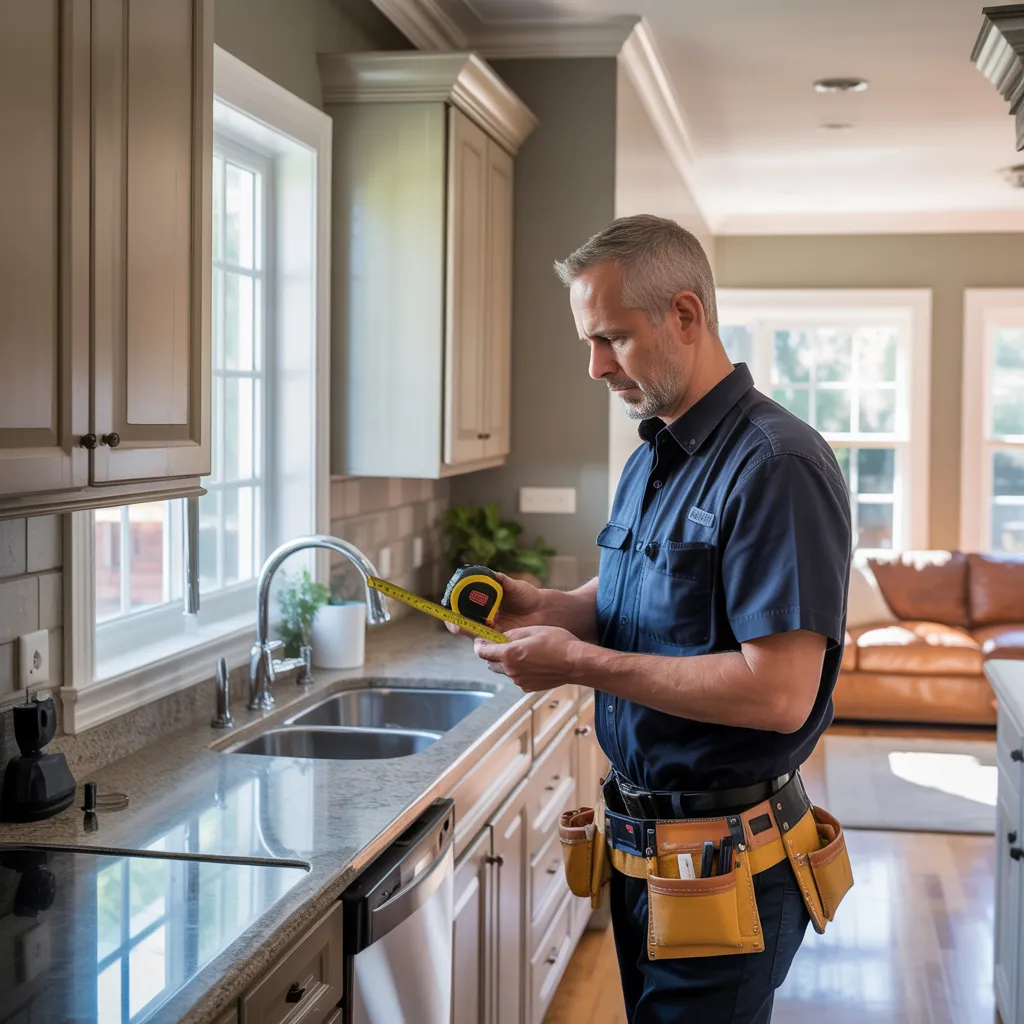
Determining the best construction partner for a residential undertaking is an important determination. This requires careful review of various factors, including experience, certifications, and communication abilities. Numerous homeowners disregard key considerations, resulting in financial hardships. Understanding how to evaluate candidate contractors can make considerable difference. By emphasizing essential criteria and posing appropriate questions, you can progress through this complicated undertaking far more effectively. What are the critical measures consult now to confirm a rewarding partnership?
How to Prevent Usual Errors When Determining a Contractor
When selecting a builder, how can one manage the myriad of alternatives without succumbing to frequent pitfalls? Prospective clients regularly overlook vital factors that can bring about unsatisfactory outcomes. First, depending just on price can be deceptive; the lowest price may indicate low-grade work or unexpected fees. Additionally, failing to verify recommendations or digital feedback can end up with an unreliable professional. It is also crucial to avoid making decisions based on charisma alone; a likable contractor may not possess the necessary skills or reliability. Moreover, failing to establish clear communication and expectations can cause confusion and disappointment. Finally, failing to examine contracts closely before approval can bring about unanticipated duties or weak protections. By being careful and knowledgeable, homeowners can make smarter decisions, finally achieving a successful outcome.
What Matters When Selecting a Contractor's Experience
When reviewing a contractor's experience, several key factors apply. Experience from similar projects, industry certifications, and an substantial portfolio of completed work demonstrate vital signs of their capabilities. Assessing these features can yield valuable insights into the contractor appropriateness for the specific project at hand.
Applicable Project Background
Knowing a contractor's relevant experience is indispensable for ensuring the achievement of any building endeavor. Interested parties clients should evaluate the contractor's portfolio, zeroing in on completed projects similar in breadth and appearance to their own. This entails assessing the superiority of workmanship, compliance with to project timelines, and fiscal management in antecedent initiatives. Furthermore, it is beneficial to inquire about the assortment of materials used and the contractor's familiarity with local codes and regulations and regulations. Remarks and references from bygone clients can yield perspective into the contractor's reliability and communication skills. To sum up, a contractor with substantial relevant experience can surmount roadblocks adeptly, ensuring the project meets the homeowner's expectations and standards.
Sector Qualifications And Licenses
Certification and licensing serve as critical markers of a contractor's professional competence and skill in the construction industry. When choosing a general contractor, it is vital to confirm that they possess the necessary licenses mandated by local and state regulations. These licenses show compliance with building codes and safety standards. Additionally, industry certifications, such as those from the National Association of Home Builders or similar organizations, reflect a contractor's dedication to quality and ongoing education. Contractors with specialized certifications may also have skills in specific areas, such as green building or remodeling. Verifying that a contractor has the appropriate credentials not just improves confidence in their capabilities but also reduces potential legal and financial risks during the project.
Portfolio Of Accomplished Work
A tradesperson's portfolio containing finished work functions as an key asset for judging their experience and competencies. This compilation should showcase a range of projects, demonstrating adaptability in different styles and complexities. When reviewing a portfolio, potential clients should pay attention to high-quality photographs that clearly illustrate the craftsmanship involved. It is also valuable to see projects that align with the homeowner's specific needs or aesthetic preferences. Attention to detail, original solutions, and adherence to timelines are essential indicators of a contractor’s skill. Additionally, client reviews or case studies featured in the portfolio can offer additional understanding of the contractor's work ethic and dependability. Ultimately, a robust portfolio can help homeowners make knowledgeable decisions about their upcoming projects.
How to validate Your Contractor Qualifications and Licenses
Begin by verifying a general contractor's qualifications and certifications before engaging them, as this is essential to ensure they satisfy industry standards. Begin by reviewing with regional licensing authorities to confirm that the contractor possesses the required permits for your area and project type. Because each state has its own requirements, familiarizing yourself with them will avoid future complications.
In addition, ask about insurance coverage, such as liability and workers' compensation, to guarantee protection against potential accidents or damages. Request references from past clients and verify to gauge satisfaction and reliability.
In conclusion, assess any certifications the contractor may possess, as these often suggest specialized training and adherence to industry best practices. A careful review process not only confirms compliance but also builds confidence in the contractor's ability to accomplish the project successfully.
Why Open Communication Is Vital in Your Contractor Relationship
Communication that is strong is fundamental in the contractor-client relationship, shaping the project's success from the beginning. Transparent discussion defines expectations, timelines, and budgets, making certain both parties share alignment on the project's goals. When clients convey their vision with clarity, contractors can deliver well-informed recommendations and solutions, boosting the overall result.
Regular updates and transparent dialogue enable quick resolution of problems as they arise, reducing possible setbacks. Furthermore, a service provider who listens and reacts to client feedback builds confidence, which is essential for collaboration.
Moreover, robust interaction assists in handling alterations and surprise difficulties, keeping the undertaking on track. It enables the builder to adjust approaches based on client input, ensuring satisfaction during the entire project. Finally, prioritizing engagement not only reinforces the builder-customer connection but also significantly contributes to the effective completion of the home project.
Key Questions to Raise to Your Service Provider in Initial Appointments
During initial meetings with a contractor, clients need to prioritize understanding their qualifications and credentials. It is necessary to review the project timeline and budget to guarantee alignment with the client's goals. These questions set a foundation for a strong partnership and successful project management.
Background and Qualifications
Deciding on a general contractor depends on understanding their professional history and aptitude. Homeowners should question the contractor's years in the industry and the types of projects they have completed. Important questions about licenses, certifications, and insurance are necessary, as these guarantee compliance with local regulations and provide protection during the project. In addition, reviewing past work through documents or contacts can offer insight into the contractor's craftsmanship and reliability. It is also advantageous to ask about their familiarity with similar projects, as this can indicate their capability to handle specific challenges. Ultimately, evaluating a contractor's background and skills fosters confidence and helps homeowners make informed decisions about their home projects.
Project Schedule and Cost
How can property owners ensure their undertaking remains on track financially and in terms of timing when meeting with a general contractor? To preserve consistency, they should ask significant questions during initial meetings. Homeowners must ask regarding the estimated timeline for project completion and any possible setbacks that could arise. Understanding the contractor's approach to schedule management is crucial. Additionally, addressing the finances upfront is important; homeowners should obtain clear information on pricing estimates, payment plans, and any built-in contingency funds for unforeseen expenses. Inquiring into previous projects can offer understanding into the contractor's reliability in meeting deadlines and staying within budget. By creating open dialogue regarding timelines and finances, property owners can cultivate a collaborative partnership with their contractor, enhancing the probability of a completed project that meets expectations.
Recommendations for Checking References and Studying Reviews
What actions should one implement to guarantee a general contractor is dependable? First, it is crucial to request a list of references from potential contractors. A reputable contractor will readily give names and contact information of previous clients. One should phone these references to inquire about their experiences, highlighting aspects such as interaction, craftsmanship, and timeliness.
Also, reviewing online comments on services like Google, Yelp, or Angie's List can contribute practical knowledge. It is imperative to find themes in the reviews—uniform compliments or complaints can highlight credibility or potential obstacles.
In addition, investigating any concerns filed with local licensing agencies or consumer advocacy groups can reveal a contractor's history. Finally, requesting recent project photos can help assess the excellence of their work. By taking these actions, one can arrive at a more knowledgeable decision when hiring a contractor.
Understanding Contractor Pricing and Payment Terms
Homeowners should also familiarize themselves with typical payment terms. Most contractors require a upfront deposit, followed by progress payments tied to project milestones. It's crucial to establish these terms before signing a contract to prevent confusion. Additionally, homeowners should inquire about extra expenses, such as permits or unforeseen maintenance. Open dialogue concerning pricing and payment terms will help establish a honest professional partnership, ultimately leading to a favorable project completion. Comprehending these elements empowers homeowners to make informed decisions when selecting a general contractor.
Often Posed Questions
What schedule should you expect for task conclusion?
The project's timeline generally varies depending on scope and complexity. Typically, you may need weeks through several months. Environmental conditions, supply availability, and labor resources can substantially impact the project completion timeline.
What Transpires if Surprise Issues Emerge During Construction?
If unforeseen complications emerge during construction, the builder typically assesses the circumstances, discusses with the homeowner, and suggests remedies. Adjustments to the schedule and budget may be necessary, guaranteeing openness throughout the project.
Will My Project Need Permits or Inspections?
Most undertakings demand permits and inspections to guarantee compliance with local building codes. It is crucial to work with a general contractor who comprehends these requirements, as they can navigate the permitting process efficiently.
How Do You Manage Subcontractors and Their Payments?
A reputable general contractor oversees subcontractors by establishing clear contracts specifying compensation schedules. They guarantee timely payments, maintain transparent dialogue, and monitor sub-contractor productivity, fostering a collaborative environment that contributes to successful project completion and efficiency.
What Are Your Standards Regarding Project Revisions or Updates?
The contractor executes a accommodating strategy regarding project changes, mandating official documentation for any upgrades. They guarantee direct communication, review monetary ramifications, and revise timelines in response to address the client's variable requirements and preferences.